
The Fighting Temeraire Tugged To Her Last Berth to Be Broken Up
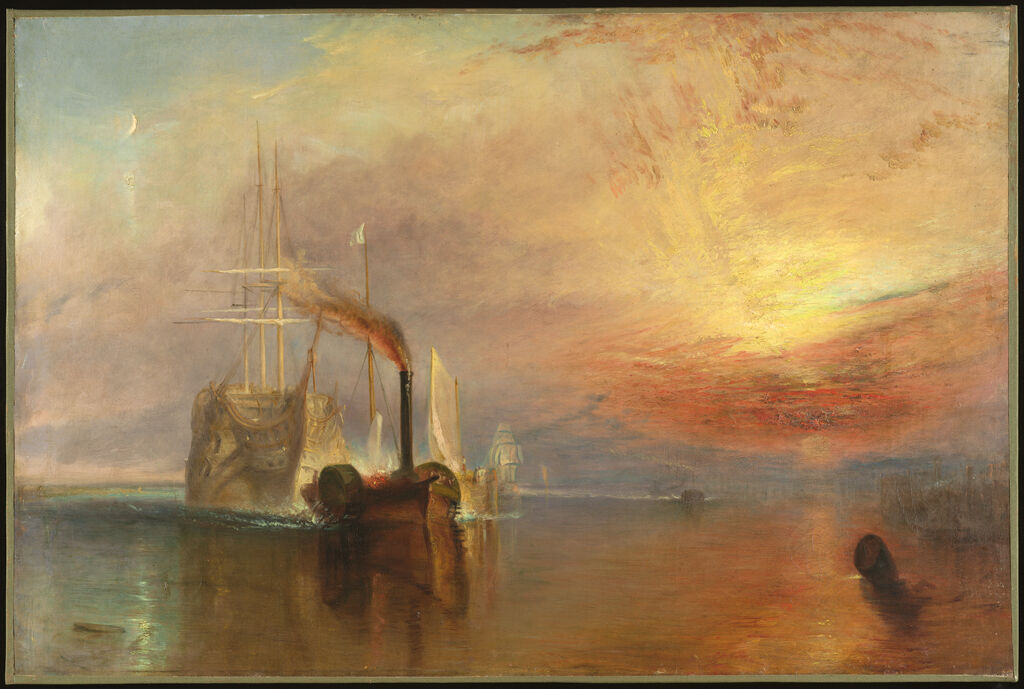
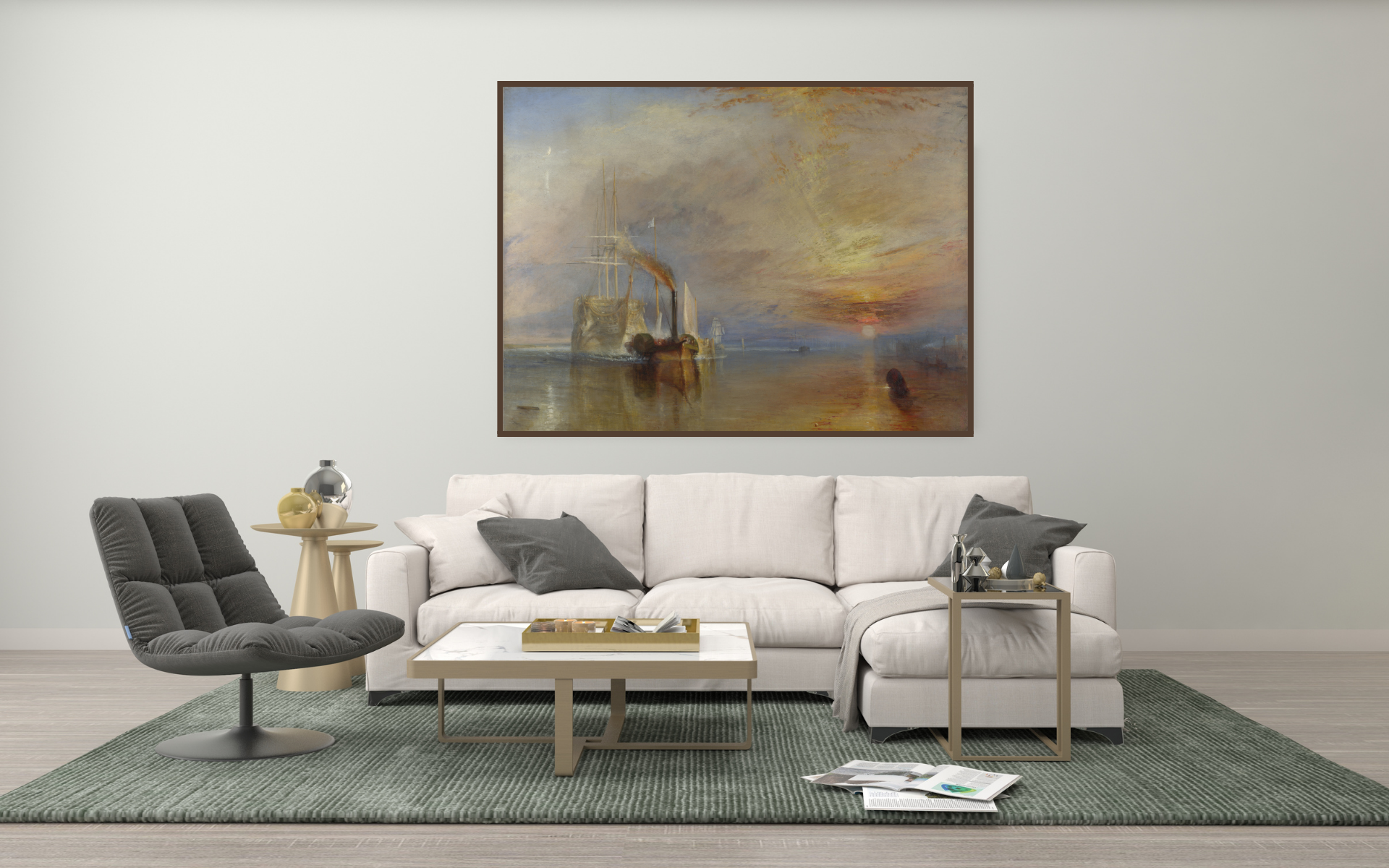
The Fighting Temeraire (1839) by J.M.W. Turner is a Romantic oil painting measuring 91 cm × 122 cm, located at The National Gallery in London. It portrays a once-mighty warship towed to be scrapped, symbolizing the end of the age of sail and the rise of industrial power. Through vivid light and composition, Turner reflects on mortality, progress, and artistic freedom.
Ratings / Reviews
Información adicional
| Dimensions | Original: 91 cm x 122 cm, Small: 72.8 cm × 97.6 cm, Medium: 109.2 cm × 146.4 cm, Large: 127.4 cm × 170.8 cm |
|---|
$396.00 – $1,156.00Price range: $396.00 through $1,156.00
The Fighting Temeraire Tugged To Her Last Berth to Be Broken Up is a celebrated oil painting by J.M.W. Turner, measuring 91 cm by 122 cm, created in the Romanticism movement. It is currently housed at The National Gallery in London, United Kingdom. This evocative work depicts the last journey of the HMS Temeraire, a once-glorious warship that played a heroic role in the Battle of Trafalgar, as it is towed to its final berth to be dismantled.
In the painting, Turner portrays the majestic sailing ship like a ghostly presence, its towering masts still intact despite having been removed in reality. The Temeraire is being pulled by a small, dark steam-powered tugboat, symbolizing the unstoppable advance of the Industrial Revolution and the fading era of sail-powered naval dominance. The contrast between the old sailing vessel and the modern tugboat is striking, emphasizing the transition from traditional heroic power to mechanized industry.
The composition masterfully balances natural and symbolic elements. The setting sun bathes the scene in warm golden hues, signaling the end of an era, while the rising moon casts a cool beam across the river, suggesting the inevitability of change and the passage of time. The sails of other vessels in the background create a triangle shape within the broader expanse of blue sky, adding depth and harmony to the scene.
Turner took some artistic liberties to enhance the narrative impact. Though the Temeraire had lost its masts by the time it was towed, Turner included them to preserve its former grandeur and to evoke nostalgia and reverence for the ship’s heroic past. This choice reflects Turner’s Romantic emphasis on emotional truth rather than strict factual accuracy.
The painting also carries a personal, almost autobiographical layer. Some art historians suggest that the ship represents Turner himself, an aging artist reflecting on his own legacy as he witnesses the arrival of new artistic movements and technological progress. The mood is simultaneously melancholic and majestic, filled with reverence for the past and acceptance of the inevitable future.
The Fighting Temeraire remains one of Turner’s most beloved masterpieces and a powerful symbol of change, progress, and the bittersweet nature of time. Its technical brilliance, atmospheric light, and emotional resonance continue to captivate audiences over two centuries after its creation.