
Albert Bierstadt
Summary
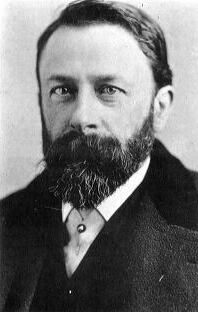
Albert Bierstadt (1830-1902) was a German-American painter renowned for his grandiose landscapes of the American West. After immigrating to the United States as a child and showing an early aptitude for art, he honed his skills in Europe, particularly associating with the Düsseldorf School. Upon his return, he embarked on several expeditions to the American West, including trips to the Rocky Mountains and Yosemite Valley. These journeys provided the sketches and inspiration for his most famous works.
Bierstadt’s large-scale, detailed, and often romanticized paintings of majestic mountains and luminous landscapes captivated the public and critics alike, making him one of the most successful artists of his time. He became a key figure in the second generation of the Hudson River School, and his work was closely linked to the idea of Manifest Destiny, shaping the national perception of the West as a pristine, promised land.
Despite his immense fame and success during his mature period, Bierstadt’s popularity waned in his later years. A shift in artistic tastes towards more intimate styles like Tonalism, personal tragedies including the death of his wife and the loss of his studio to fire, and financial difficulties led to a decline in his reputation. He died in relative obscurity, but his legacy endured. He is remembered for introducing the American public to the breathtaking scenery of its western frontiers and influencing subsequent generations of artists and photographers who celebrated the American landscape.
Early Life and Artistic Beginnings
Born in Germany, Albert Bierstadt moved to New Bedford, Massachusetts, with his family at a young age. Growing up in the bustling whaling town, he developed an early interest in art, initially focusing on sketching. Though largely self-taught, he began his career by offering drawing lessons and soon started experimenting with oil painting. In 1853, seeking formal training, he traveled to Düsseldorf, Germany, hoping to study with prominent artists of the German Romanticism movement. While he did not secure a formal apprenticeship, he connected with other American artists, like Emanuel Gottlieb Leutze and Worthington Whittredge, who encouraged his unique, detailed style. After four years of honing his craft in Europe, he returned to America a more mature and skilled painter.
Picturing the American West
Initially, Bierstadt painted European scenes, but a pivotal turn in his career came in 1857 when he joined an overland survey expedition to the American West. The journey to the Rocky Mountains provided him with a wealth of sketches and photographs that would become the foundation for his monumental studio paintings. A subsequent trip in 1859 to the Platte River and the Wind River Mountains further fueled his passion for the American landscape, which he declared to be the finest in the world for an artist.
Height of a Career
By the late 1850s and early 1860s, Bierstadt had established a formidable reputation. His large painting of Lake Lucerne earned him honorary membership in the National Academy of Design. He moved to New York and became a leading figure in the second generation of the Hudson River School, a group of artists who expanded their focus beyond the Hudson Valley to the vast landscapes of the West. His most celebrated work from this period, The Rocky Mountains, Lander’s Peak (1863), solidified his fame. During this time, he undertook another journey west with the author Fitz Hugh Ludlow, spending significant time in Yosemite. His art became synonymous with the concept of Manifest Destiny, presenting the West as a divinely ordained, Eden-like frontier for American settlers.
Later Years and Shifting Fortunes
In 1866, Bierstadt married Rosalie Ludlow, and the couple spent two years in Europe, where he received accolades and met Queen Victoria. Upon returning to the U.S., he continued to travel and paint the West. However, by the late 1870s and 1880s, his fortunes began to change. Artistic tastes were shifting away from his dramatic, highly detailed style towards the more muted and atmospheric works of Tonalism.
A series of personal and professional setbacks, including the rejection of his painting The Last of the Buffalo for the 1889 Paris Exposition, the destruction of his studio in a fire, and the death of his wife Rosalie in 1893, contributed to his decline. Despite remarrying, he faced financial ruin and was forced to declare bankruptcy. By the time of his death in 1902, Bierstadt had been largely forgotten by the art world.
Legacy
Though his fame faded in his later life, Albert Bierstadt’s legacy is significant. Alongside Thomas Moran, he was instrumental in shaping the American public’s perception of the West. His epic canvases introduced millions to the grandeur of the nation’s untamed wilderness, inspiring westward expansion. His work influenced later movements, such as American Regionalism, and is seen as a precursor to the majestic landscape photography of artists like Ansel Adams. Today, Bierstadt is recognized as a pivotal figure in 19th-century American art for his role in defining a national artistic identity through the celebration of its landscape.
Mostrando el único resultado
-

Valley of Yosemite
$396.00 – $685.00Price range: $396.00 through $685.00 Seleccionar opciones Este producto tiene múltiples variantes. Las opciones se pueden elegir en la página de producto