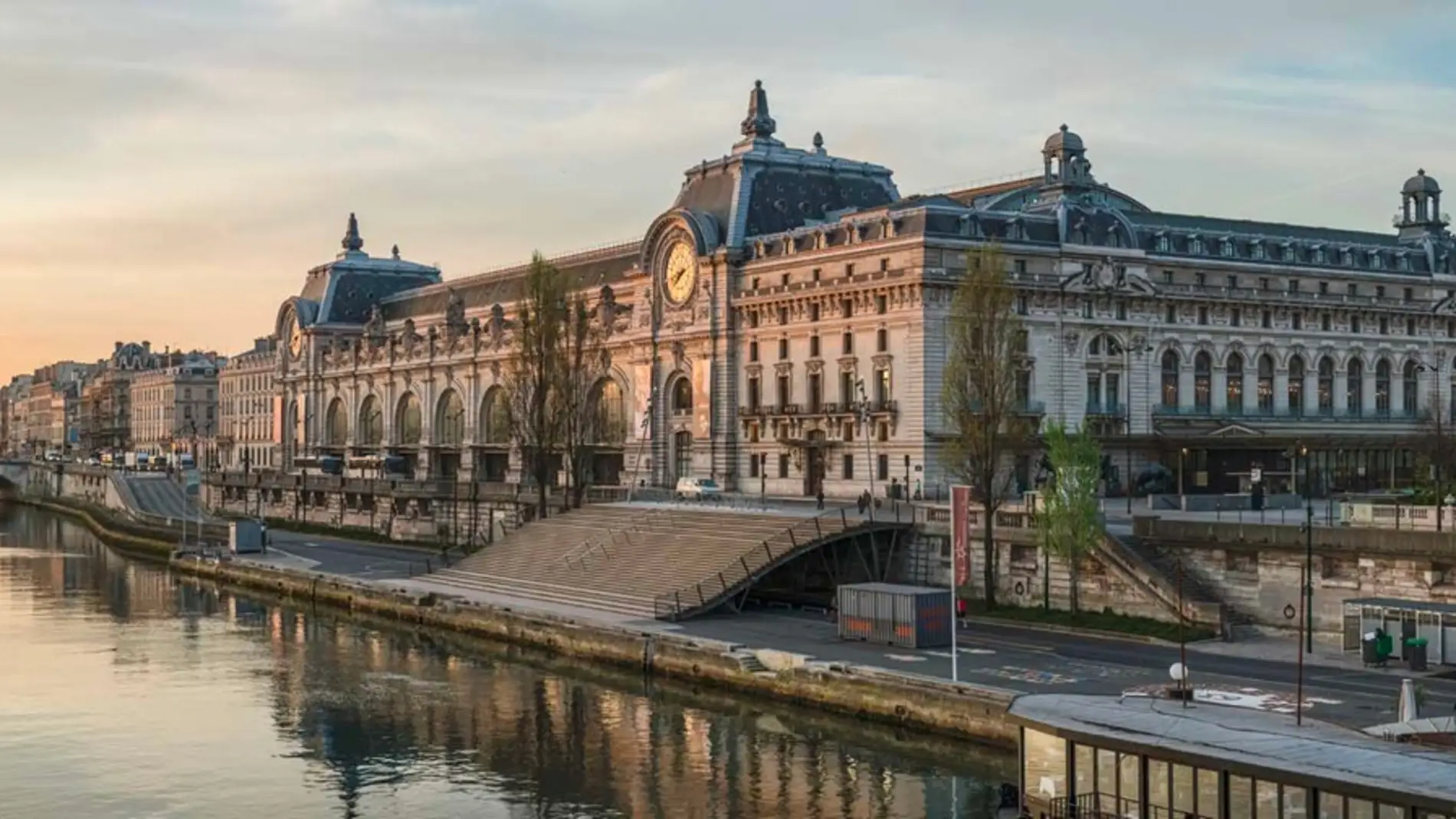
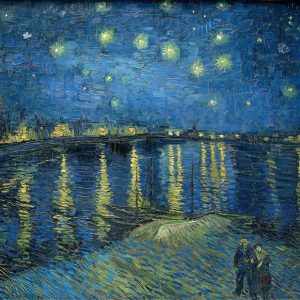
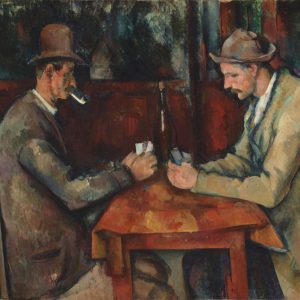
The Musée d’Orsay is a Parisian museum dedicated to the fine arts of the 19th century, specifically the period spanning from 1848 to 1914. Housed in the magnificent former Gare d’Orsay railway station on the banks of the Seine, it holds the world’s largest collection of Impressionist and Post-Impressionist masterpieces. Its collection includes iconic works such as Édouard Manet’s Almuerzo sobre la hierba and Olympia, Pierre-Auguste Renoir’s Baile en el Moulin de la Galette, and essential paintings by Gustave Courbet, such as El origen del mundo. Chronologically, the museum bridges the gap between the ancient masters of the Louvre and the modern collections of the Centre Georges Pompidou.
From Railway Station to Museum
The building itself is a marvel of industrial-era architecture. It was designed by architect Victor Laloux and constructed between the late 19th and early 20th centuries to serve as a train station for the 1900 Paris Exposition. After operating for 39 years, the station fell into disuse and, by the 1970s, was threatened with demolition. The building was saved when the Directorate of Museums of France conceived a project to transform the station into a museum. It was declared a historic monument in 1973, and the official decision was made in 1977. Between 1981 and 1986, an ambitious renovation was undertaken, with a team led by Italian architect Gae Aulenti adapting the vast iron-and-glass interior for its new purpose. The Musée d’Orsay was officially inaugurated on December 1, 1986, by President François Mitterrand.
The Collection: A Bridge in Art History
The museum’s collection, arranged chronologically across three floors, picks up where the Louvre leaves off, covering the pivotal years between the Revolution of 1848 and the outbreak of World War I in 1914. While it is most famous for its unparalleled holdings of Impressionism and Post-Impressionism, the collection also features exceptional examples of Realism, Symbolism, and the more conservative Academic painting. In addition to more than 5,000 paintings, the museum houses a rich collection of sculpture, decorative arts, architectural drawings, and photography from the period, with many of the core works having been transferred from the Musée du Louvre.
Legacy and Continuing Growth
The Musée d’Orsay continues to evolve. In 2009, it underwent a significant renovation to reorganize its galleries. The museum’s collection has also been greatly enriched by major donations. In 2016, it received a landmark gift from American collectors Spencer and Marlene Hays, comprising over 600 works from the period 1850-1950. Considered the most important foreign donation to a French museum since World War II, the Hays collection is particularly rich in works by Nabis painters like Pierre Bonnard and Édouard Vuillard, ensuring that the museum’s exceptional holdings will continue to grow for future generations.