
The Return of the Prodigal Son
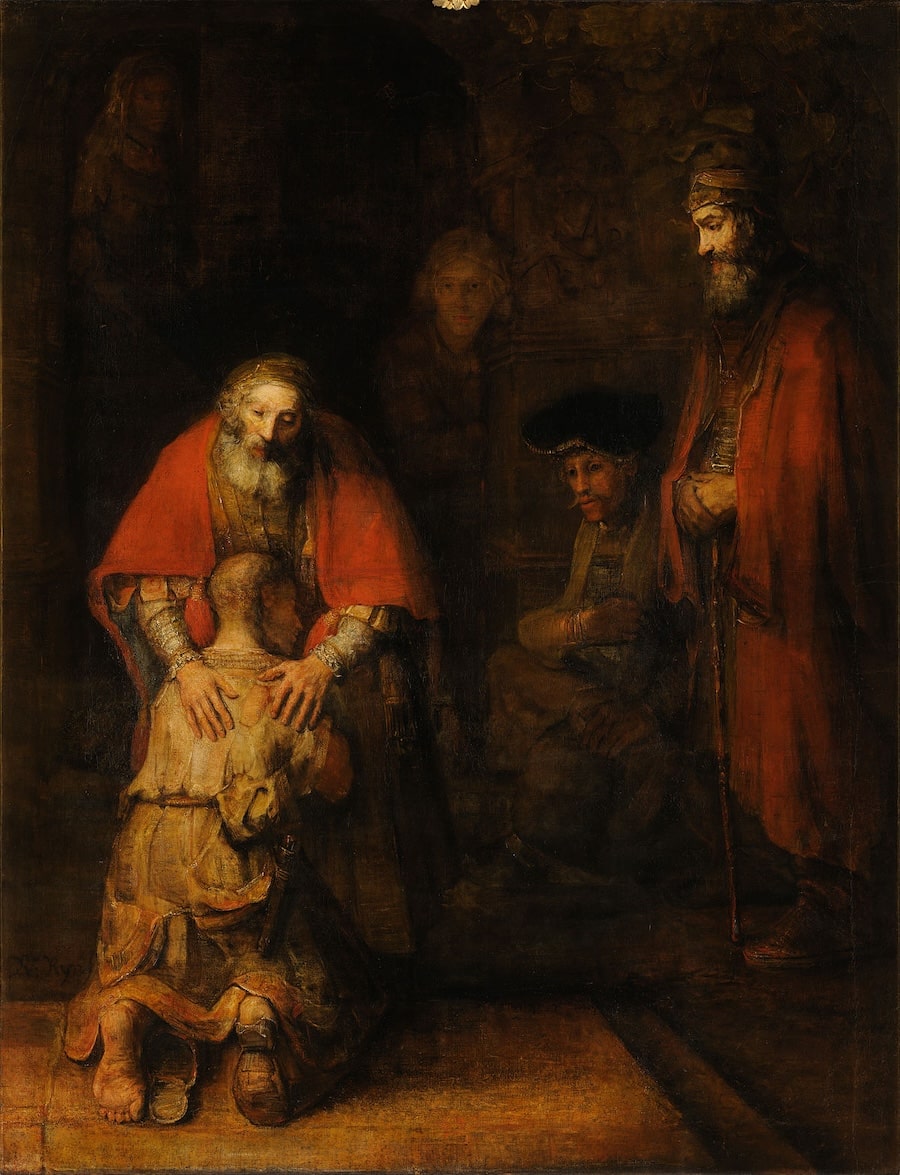
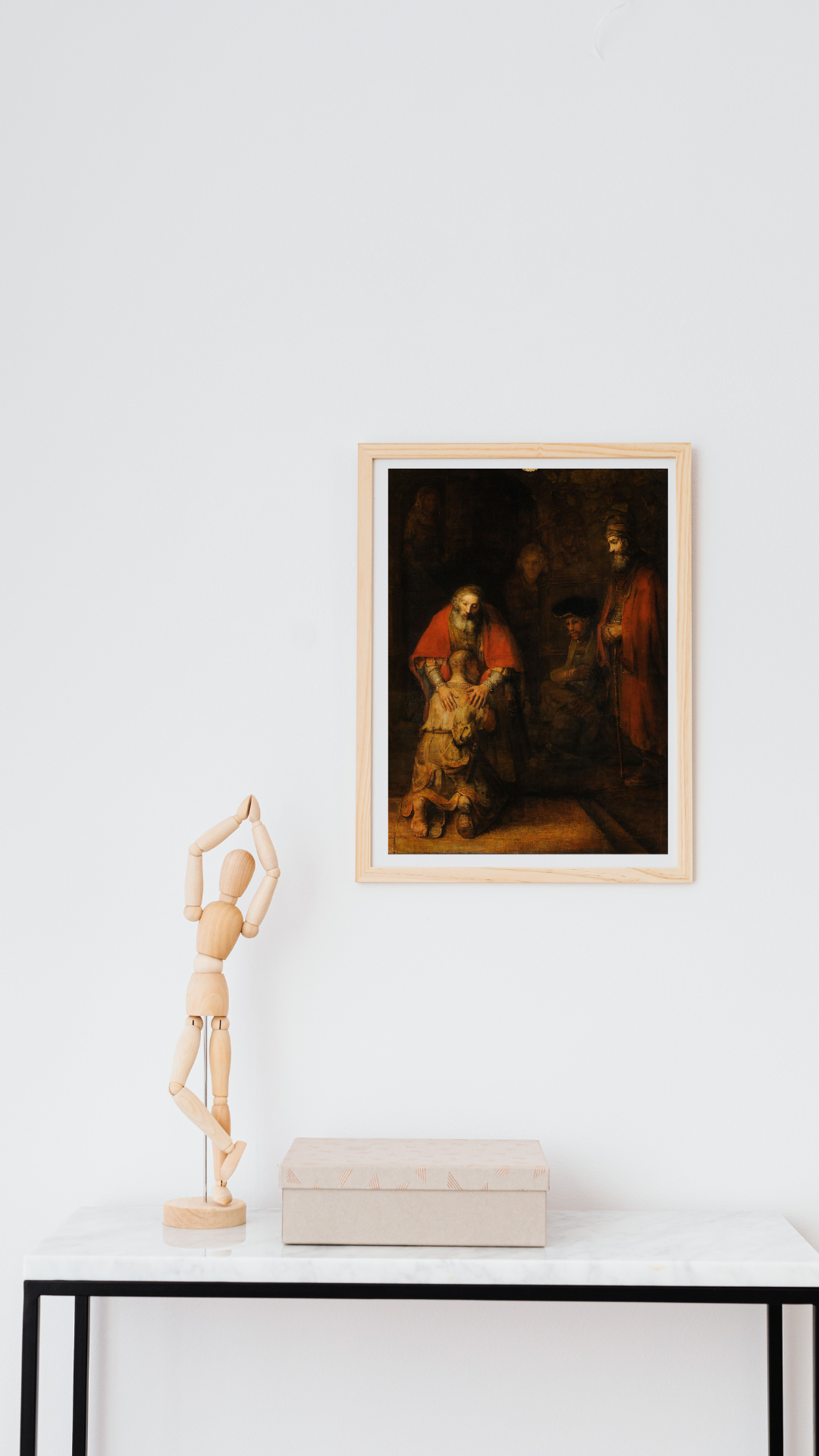
The Return of the Prodigal Son (1668–1669) by Rembrandt is a monumental Baroque masterpiece portraying the tender moment of forgiveness between a father and his repentant son. A timeless expression of grace and human emotion, this 262 × 205 cm oil painting resides in the Hermitage Museum, St. Petersburg.
Ratings / Reviews
Información adicional
| Dimensions | Original: 262 cm × 205 cm, Small: 104.8 cm × 82 cm, Medium: 157.2 cm × 123 cm, Large: 209.6 cm × 164 cm |
|---|
$688.00 – $4,296.00Price range: $688.00 through $4,296.00
One of Rembrandt’s final and most celebrated masterpieces, The Return of the Prodigal Son (oil on canvas, 262 cm × 205 cm) powerfully captures the parable’s climactic moment of mercy, reconciliation, and divine love. Painted between 1668 and 1669—near the end of the artist’s life—this Baroque work depicts the broken and destitute son kneeling before his forgiving father. His tattered clothes and shaved head reflect a life of suffering and repentance, while the father’s tender embrace—one hand strong and paternal, the other gentle and nurturing—embodies the boundless compassion of divine forgiveness.
To the right stands the older brother, arms crossed in judgment, representing the human struggle between righteousness and empathy. Additional figures appear in the shadows: a possible mother, a steward or advisor, and a servant—characters not mentioned in the biblical parable but likely drawn from Rembrandt’s lifelong engagement with the theme. The result is a deeply human, spiritual meditation on guilt, grace, and the longing for acceptance.
Kenneth Clark once described the work as “the greatest picture ever painted,” and Rembrandt scholar Rosenberg called it the artist’s spiritual testament. The subdued palette, dramatic lighting, and psychological realism elevate this painting beyond Baroque theatricality into the realm of intimate revelation. With profound solemnity and empathy, Rembrandt delivers a universal image of mercy and homecoming—“a symbol of the darkness of human existence illuminated by tenderness.”
This iconic painting is currently housed in the Hermitage Museum in St. Petersburg.