
The Walk, Woman with a Parasol
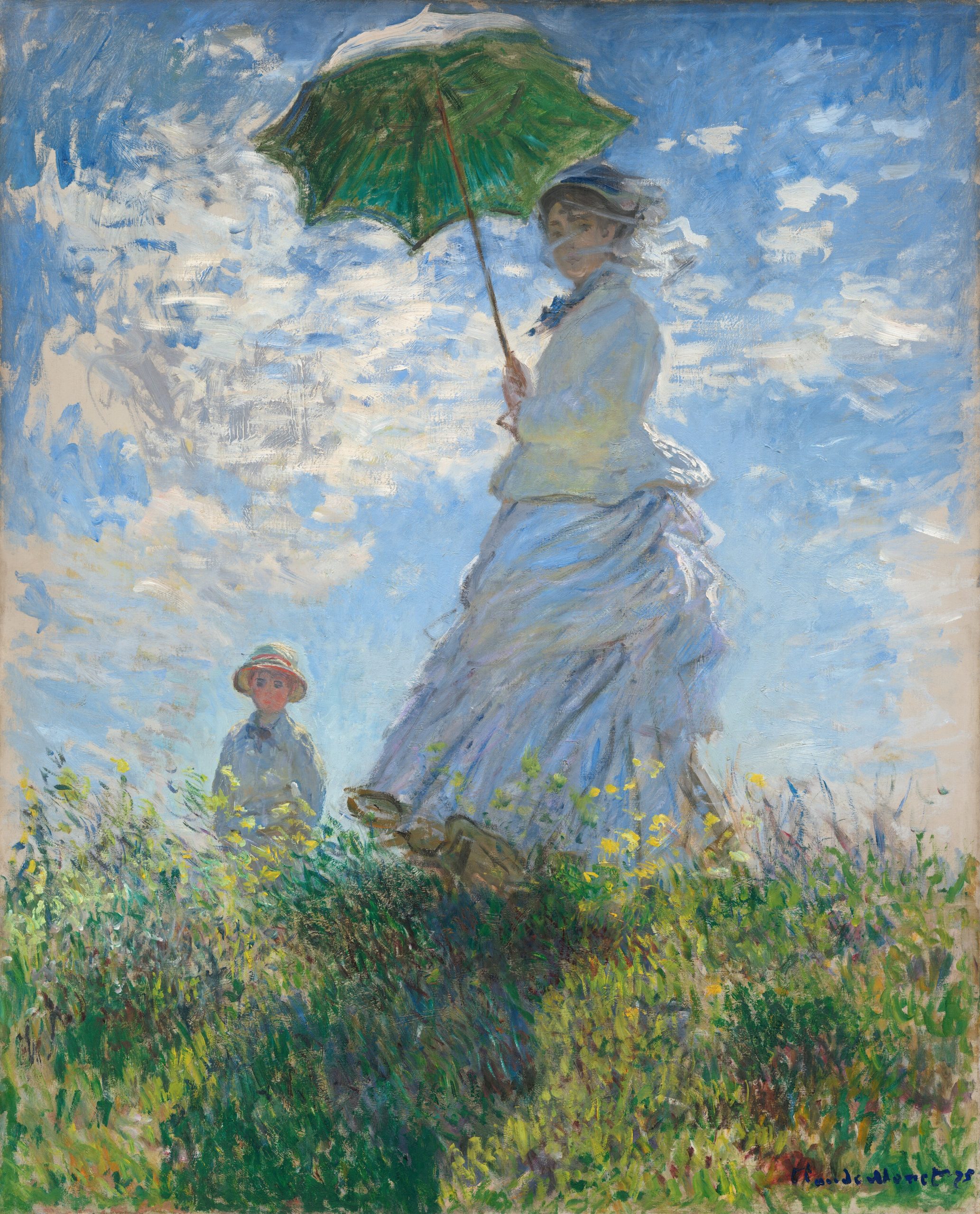
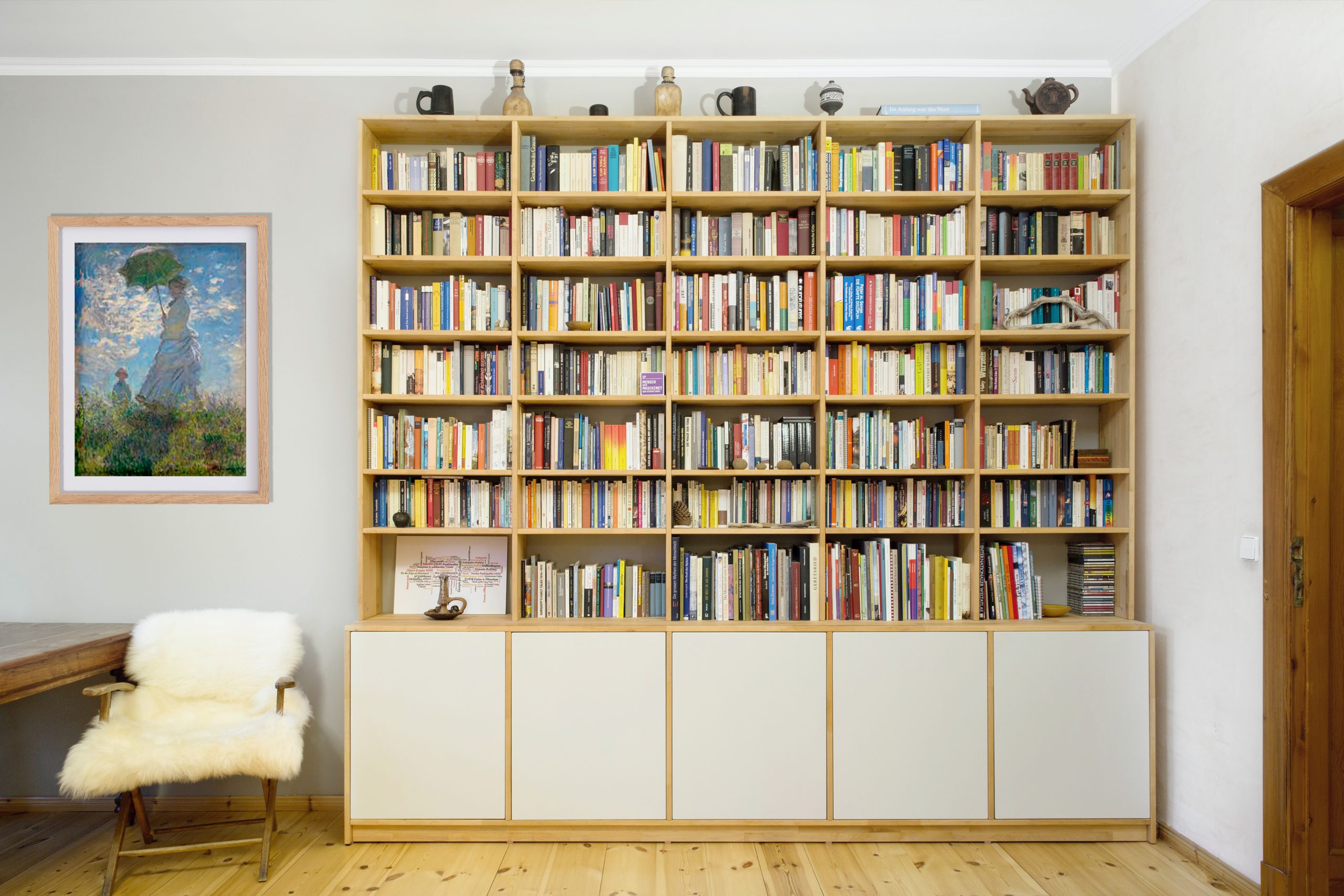
Claude Monet’s Woman with a Parasol – Madame Monet and Her Son (1875), now in the National Gallery of Art in Washington, is a quintessential Impressionist work. Painted en plein air, it depicts Camille Monet and her son Jean on a breezy day in Argenteuil. A low viewpoint places Camille against a brilliant blue sky, her parasol and dress animated by the wind. Loose, luminous brushstrokes capture the fleeting effects of sunlight, with vibrant greens and blues evoking summer’s vitality. More than a portrait, the work reflects Monet’s mastery at blending figures with landscape, preserving a moment of natural elegance in time.
Ratings / Reviews
Información adicional
| Dimensions | Original: 100 cm x 81 cm, Small: 40 cm x 32.4 cm, Medium: 60 cm x 48.6 cm, Large: 80 cm x 64.8 cm |
|---|
$276.00 – $477.00Price range: $276.00 through $477.00
Painted in 1875, Woman with a Parasol – Madame Monet and Her Son by Claude Monet is one of the most celebrated works of Impressionism. Measuring 100 × 81 cm and housed today at the National Gallery of Art in Washington, the painting captures a fleeting moment from a summer day in Argenteuil. Monet’s wife, Camille, and their young son Jean are depicted outdoors, pausing during a stroll as the artist quickly renders the scene en plein air.
The composition is remarkable for its perspective. Monet adopts a low vantage point, looking up toward the figures, which emphasizes Camille’s presence as she dominates the canvas. Her parasol, dress, and veil are animated by the breeze, their sweeping forms echoing the movement of the clouds above. Jean, placed slightly behind and to the right, serves as a compositional counterbalance and adds intimacy to the scene.
Monet’s brushwork exemplifies Impressionism’s embrace of spontaneity. Short, broken strokes of color suggest the shifting play of light across fabric, grass, and sky. Bright whites, soft blues, and fresh greens intermingle to create an atmosphere charged with sunlight. Shadows are indicated not by black but through nuanced cool tones, preserving the vibrancy of the palette.
The painting is less a formal portrait than a vivid impression of a summer outing. Camille’s parasol and attire capture both the fashion of the era and the charm of domestic leisure. Her slightly windblown figure is emblematic of Monet’s focus on transient visual effects—moments that change from one breath to the next.
Thematically, the work embodies Monet’s return to figure painting in the 1880s, though here the figures are harmonized seamlessly with the landscape. The emphasis on natural light, outdoor setting, and candid arrangement reflects Monet’s dedication to painting directly from life.
Today, Woman with a Parasol stands as an enduring icon of Impressionism—an image that blends personal affection, technical innovation, and the ephemeral beauty of nature into a single luminous composition.