
The Woman in Red

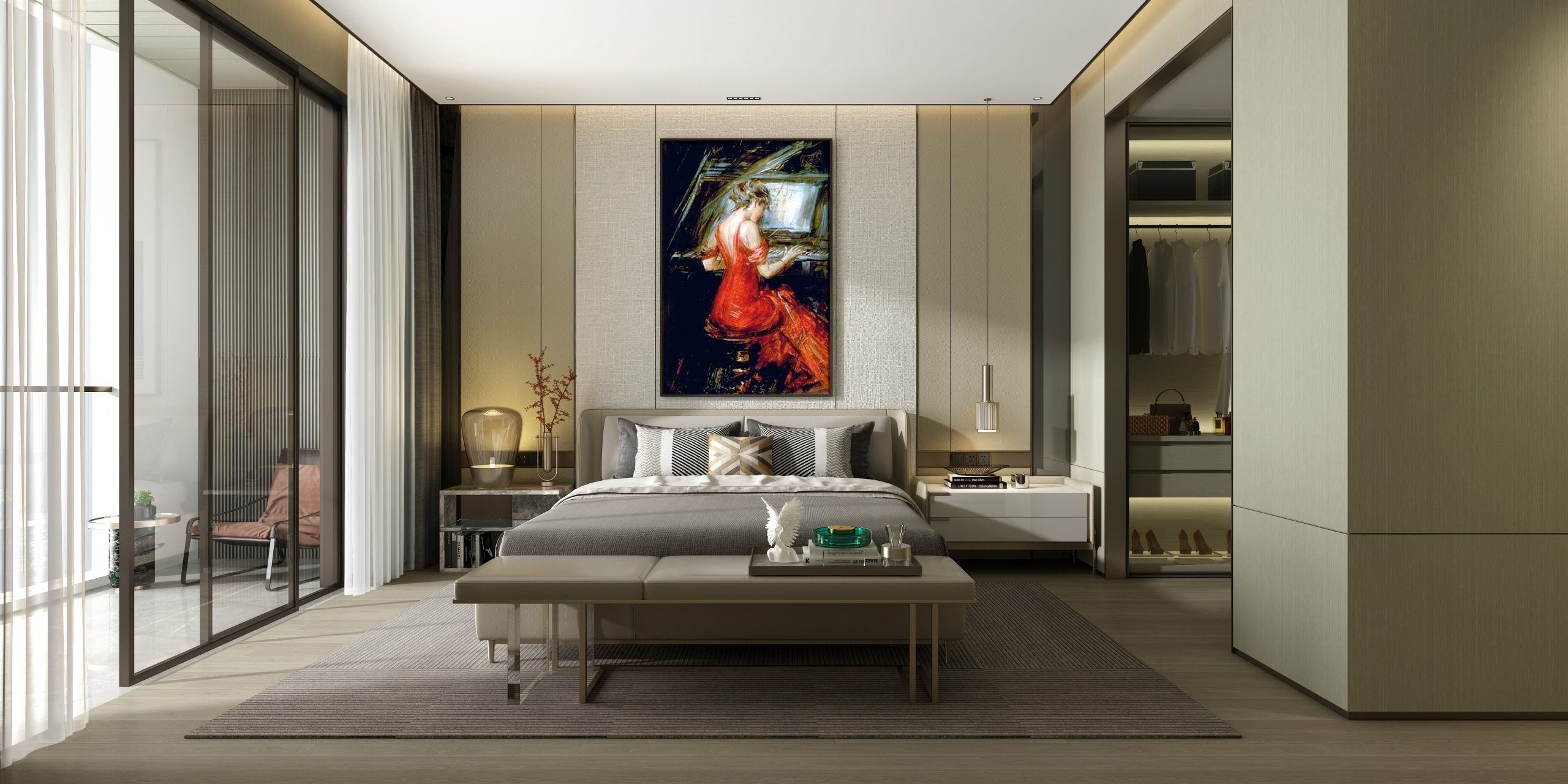
The Woman in Red (1916) by Giovanni Boldini is an Impressionist painting measuring 130 cm by 87 cm. The artwork depicts an elegantly dressed woman in a vibrant red gown, captured in a dynamic pose suggesting movement and grace. Boldini employs loose, fluid brushstrokes to convey the texture of the fabric and the atmosphere of the Belle Époque, a period known for elegance and refined social life. The painting is notable for its use of color, light, and lively representation of feminine fashion, cementing Boldini’s reputation as a master of movement and elegance.
Ratings / Reviews
Additional information
| Dimensions | Original: 130 cm x 87 cm, Small: 52 cm x 34.8 cm, Medium: 78 cm x 52.2 cm, Large: 104 cm x 69.6 cm |
|---|
$316.00 – $600.00Price range: $316.00 through $600.00
The Woman in Red (La femme en rouge), painted in 1916 by the Italian artist Giovanni Boldini, is a striking work that captures the elegance and dynamic spirit characteristic of the Belle Époque. Measuring 130 cm by 87 cm, this painting showcases Boldini’s talent for portraying not only feminine beauty but also the vibrant social atmosphere of his time, combining Impressionist influences with his own distinctive style.
The central figure is a woman dressed in a vivid red gown, posed in a way that suggests movement and grace. Boldini depicts her seated or leaning, but the composition conveys fluidity and energy through loose, sweeping brushstrokes that define the fabric’s texture and the surrounding ambiance. This lively technique is one of Boldini’s trademarks, making the red dress glow vividly and immediately capturing the viewer’s attention.
Boldini’s style is inseparable from the Belle Époque period—a time marked by refinement, fashion, and an active social life. Within this context, the painting functions as a celebration of femininity, fashion, and sophistication that defined the era. The balance between realistic detail and expressive brushwork gives the piece both precision and a sense of movement.
Technically, The Woman in Red highlights Boldini’s mastery of texture and light, using color to emphasize the female figure and her attire without sacrificing spontaneity. The way he suggests motion with his brushwork breathes life into the scene, preventing it from feeling static.
Altogether, this work stands as an iconic example of Boldini’s style, embodying feminine beauty and the vibrant spirit of the Belle Époque, retaining its power to captivate and evoke emotions to this day.