
Carel Fabritius
Summary
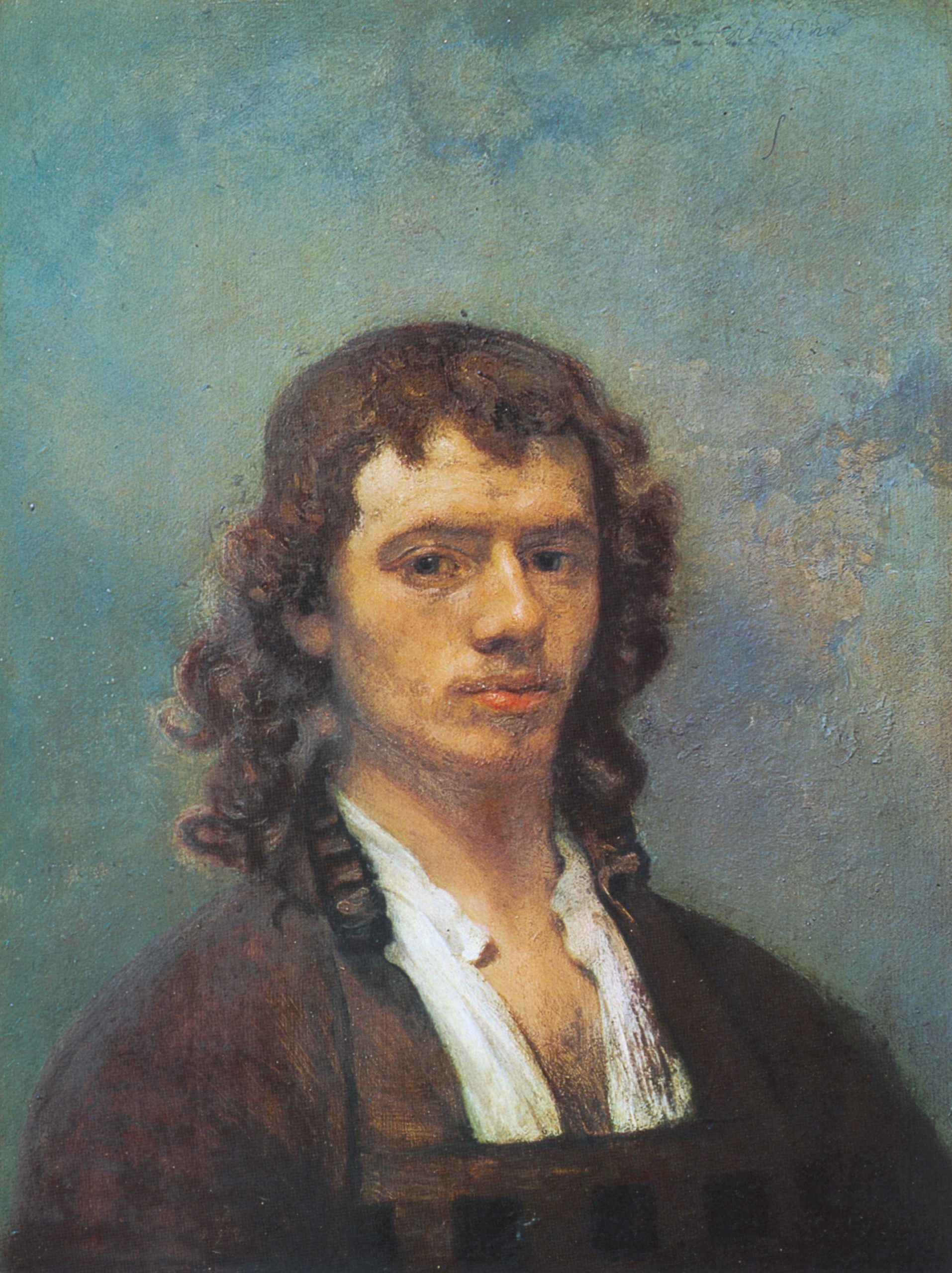
Carel Fabritius (1622-1654) was a Dutch painter of the Baroque era, widely regarded as Rembrandt’s most talented pupil. His promising career was cut tragically short, leaving behind only a small body of work, yet his influence was profound. After leaving Rembrandt’s studio, Fabritius became a leading figure in the School of Delft, where he developed a unique style characterized by soft lighting, complex perspectives, and dark figures set against light backgrounds. This innovative approach had a significant impact on his contemporaries, most notably Johannes Vermeer. Fabritius died at the age of 32 in the catastrophic Delft gunpowder explosion, which also destroyed his studio and many of his paintings. In modern times, his legacy has been revived by Donna Tartt’s Pulitzer Prize-winning novel, The Goldfinch, which introduced his most famous painting to a new generation.
Childhood and Early Training
Born in the village of Middenbeemster, Carel Fabritius was the eldest of three brothers who all became painters, likely inspired by their father, who was a schoolteacher and amateur artist. Initially trained as carpenters, Carel and his brother Barent adopted the surname “Fabritius” from the Latin word for their trade. In 1641, after marrying his first wife, Aeltge Velthuys, Fabritius moved to Amsterdam to apprentice in the workshop of Rembrandt. There, he absorbed his master’s techniques for capturing light and emotion. His time with Rembrandt ended tragically in 1643 when his wife died in childbirth. Despite this loss, Fabritius continued to paint, producing early works that already showed a departure from Rembrandt’s style.
Mature Period in Delft
In 1650, Fabritius relocated to Delft, where he established his studio, remarried a widow named Agatha van Pruyssen, and became a central figure in the city’s artistic community. He officially joined the Guild of St. Luke in 1652 and, despite a slow art market, secured important commissions. It was in Delft that he painted his most renowned works, including the masterful trompe-l’œil painting The Goldfinch and the psychologically insightful The Sentry. His innovative use of perspective and his focus on tranquil, light-filled interior scenes distinguished his work from his contemporaries.
Tragic Death
Fabritius’s life and career were brought to a sudden and tragic end on October 12, 1654. He was killed in the massive explosion of the Delft gunpowder magazine, a disaster that destroyed a large part of the city. The blast obliterated his studio, along with many of his paintings. Fabritius perished alongside his pupil, Mattias Spoors, and a deacon who was sitting for a portrait at the time of the explosion.
Legacy
Though his surviving work is scarce, Carel Fabritius is a pivotal figure in the Dutch Golden Age. As a key member of the Delft School, his innovative techniques in depicting light, space, and perspective directly influenced Johannes Vermeer and Pieter de Hooch. His untimely death left a void in the art world, with many historians speculating that his talent might have eventually rivaled that of his teacher, Rembrandt. In the 21st century, Fabritius gained renewed international fame through Donna Tartt’s 2013 novel, The Goldfinch, which centers on his most famous painting and has ensured that the story of this gifted but ill-fated artist endures.
Mostrando el único resultado
-

The Goldfinch
$196.00 – $339.00Price range: $196.00 through $339.00 Seleccionar opciones Este producto tiene múltiples variantes. Las opciones se pueden elegir en la página de producto